Faces (2025)
Seeking Shade in the Desert (2025)
Muted Pink Desert
(2025)
from ab to zu
(2025)
You do not need to worry about what we said (2024–2025)
A Piece of History (2024)
Flee Ye Into Another (2024)
At The Time When (2024)
Between Faces, Stories and Power (2023)
flo-o-o (2023)
The State of Being Vanished (2021)
dok dat dap dap (2021)
I am not a robot (2020–2021)
The Rise of Modern China (2018)
Affirmative Resonance (2018)
‘Parts’ of China (2017)
Transliterations (2017)
Ximplification of a Language (2016)
A Living Space: Houses (2014–15)
Breathe (2012)
Circle (2011)
↓

Faces
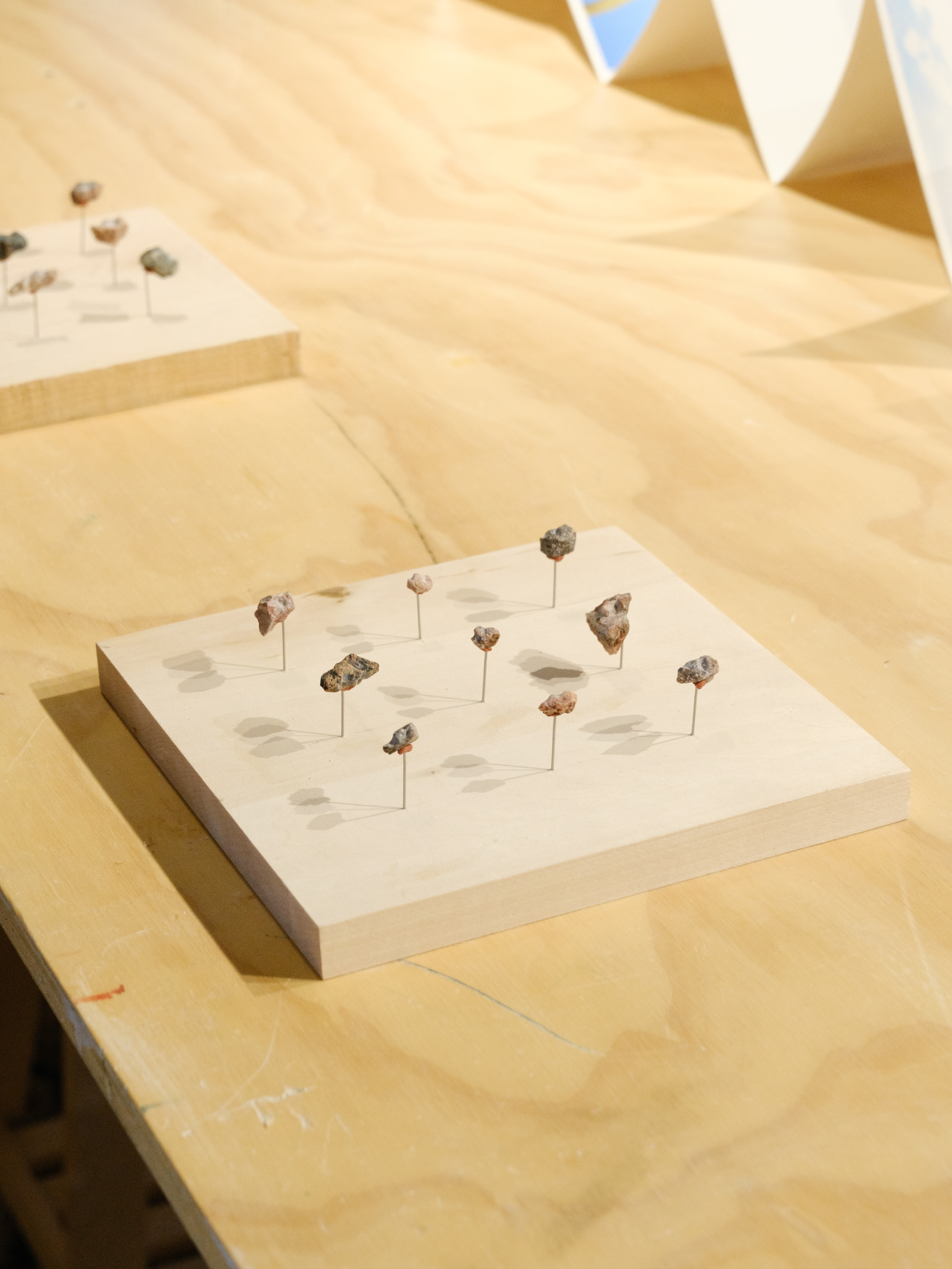
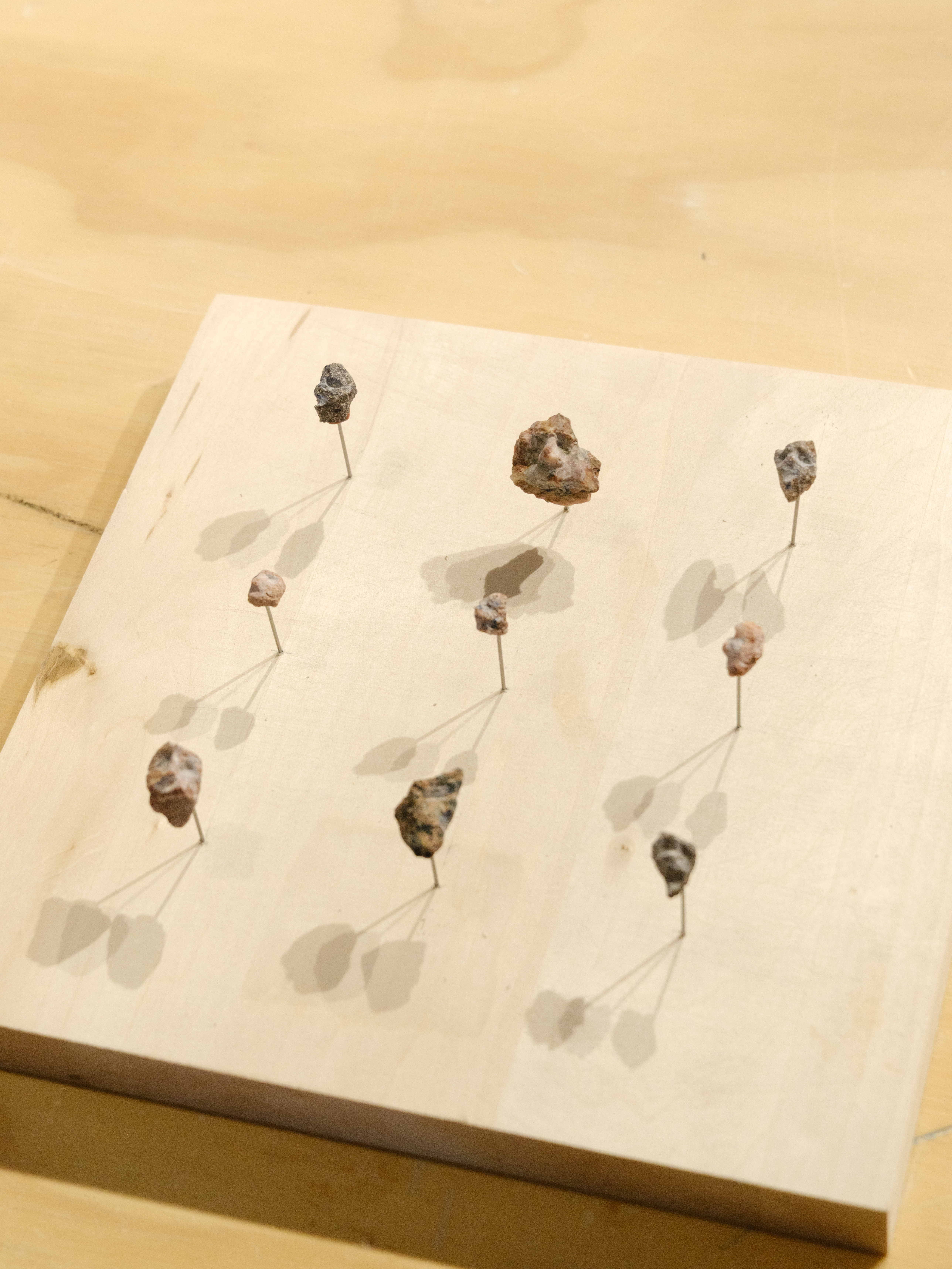
2025, Sculptures (Stones from Indigenous Yavapai nation, Arizona), Installation, Artistic Research
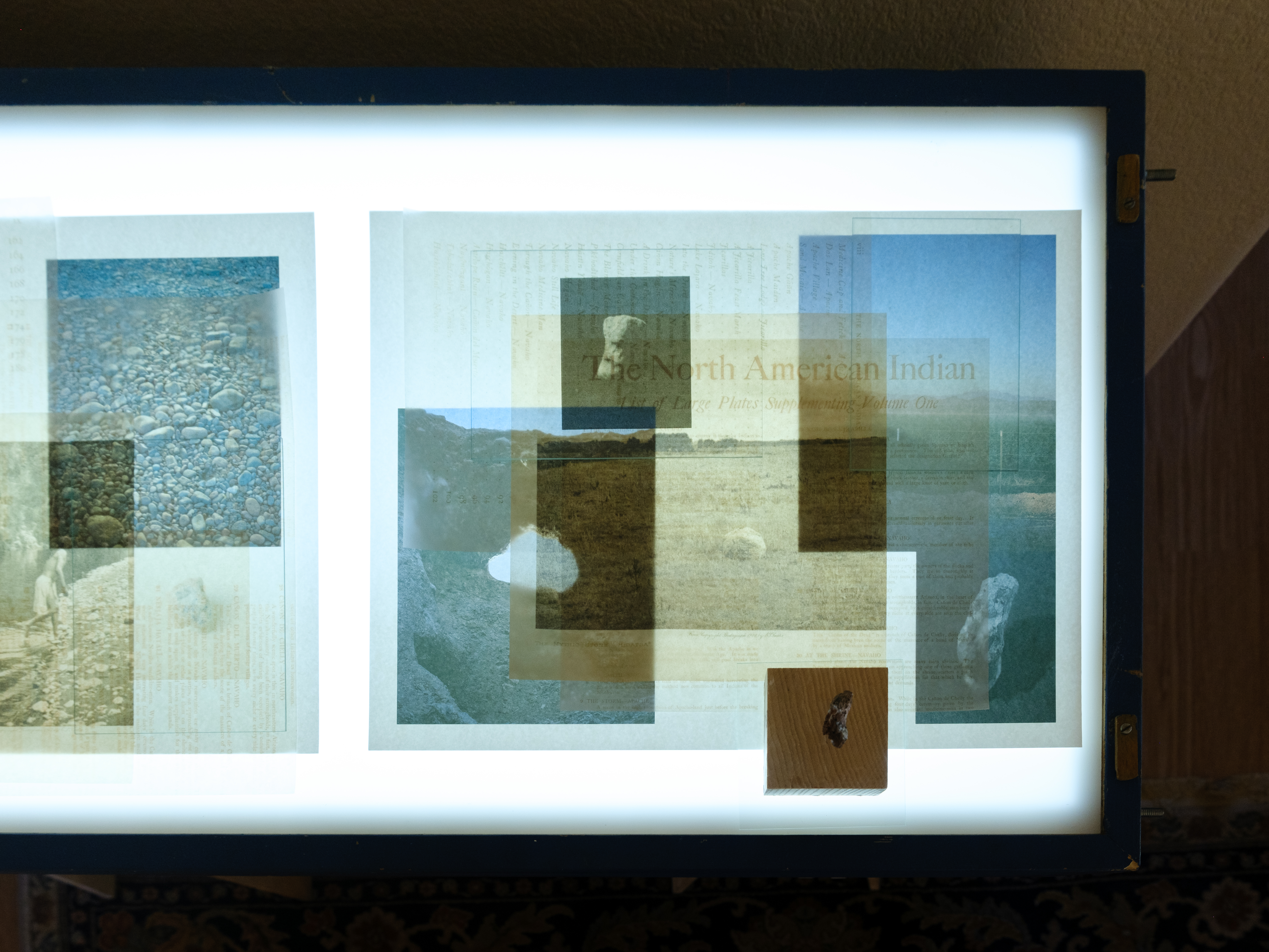
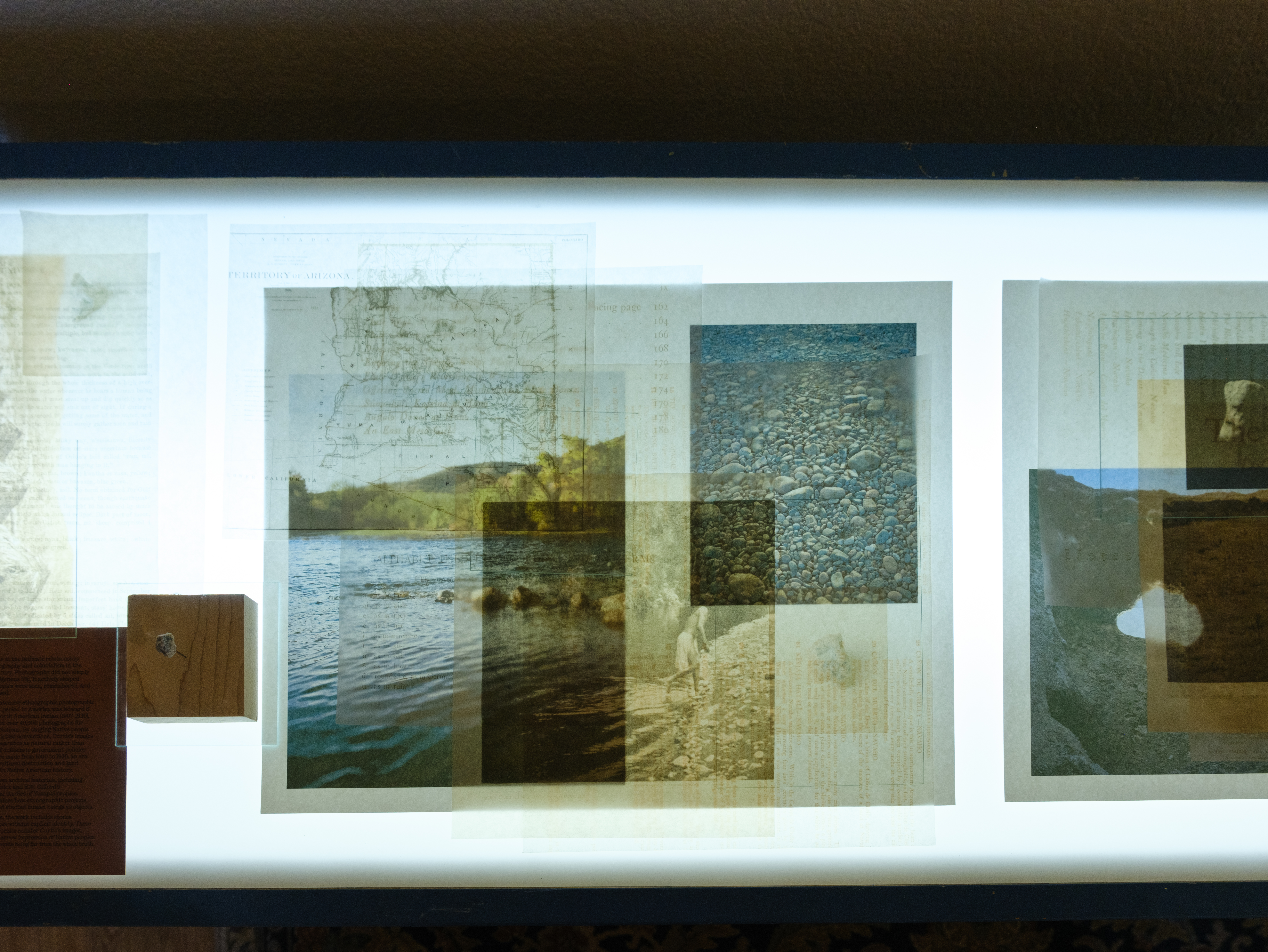
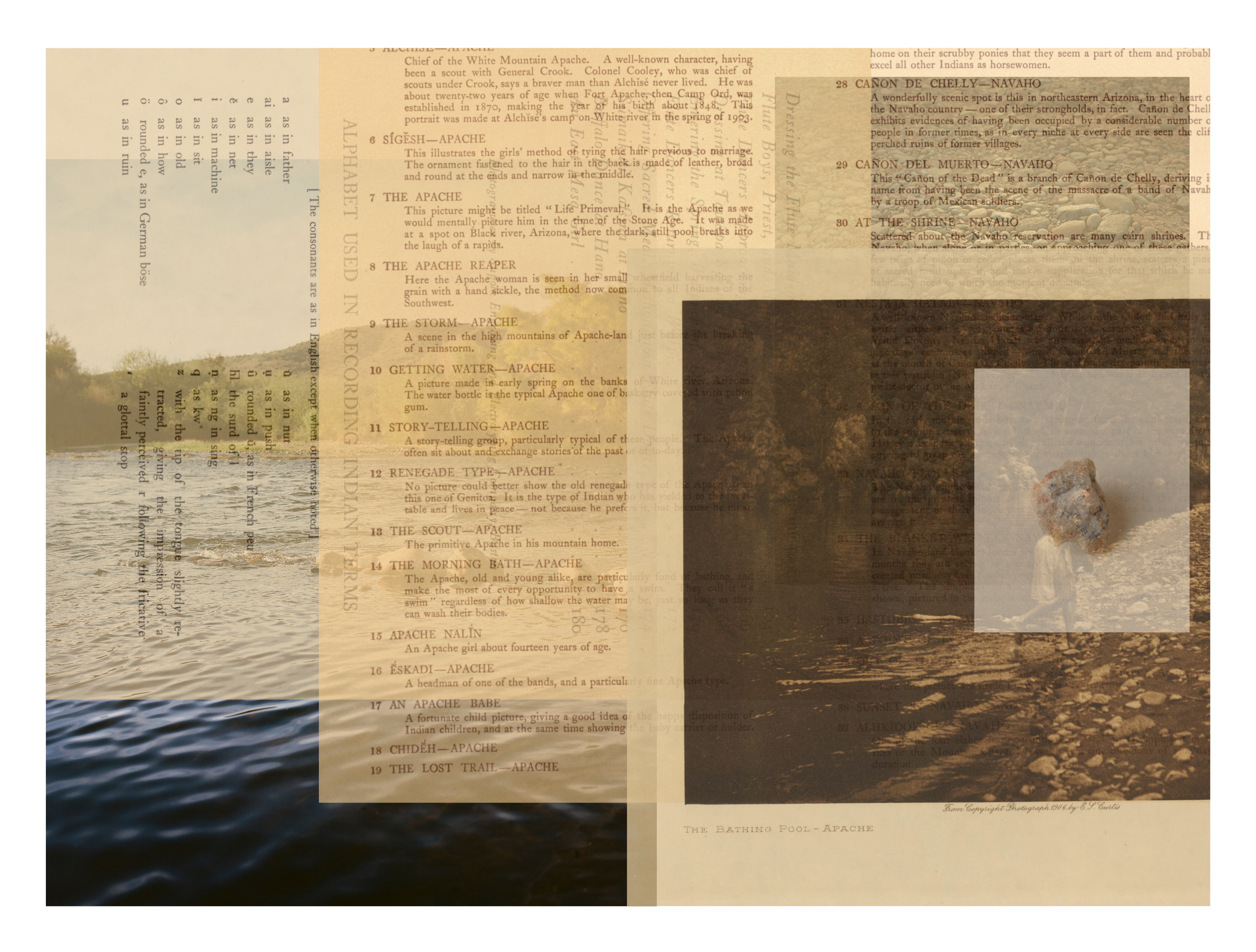
The work looks at the intimate relationship between photography and colonialism in the early 20th century. Photography did not simply document Indigenous life, it actively shaped how Native peoples were seen, remembered, and ultimately erased.
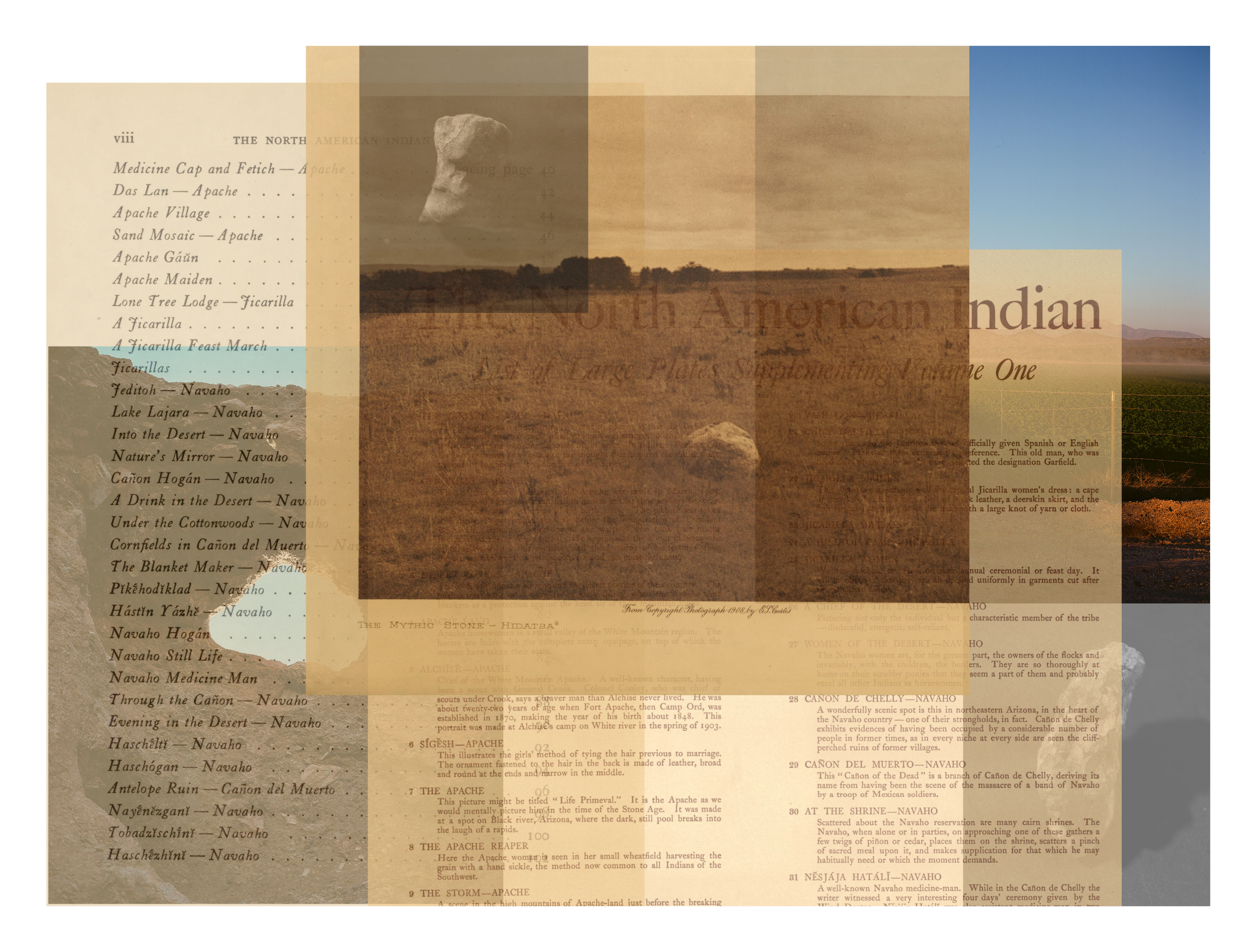
The most extensive ethnographic photographic project of that period in America was Edward S. Curtis’s The North American Indian (1907–1930), which produced over 40,000 photographs for more than 80 Nations. By staging Native people within romanticized conventions, Curtis’s images framed disappearance as natural rather than as the result of deliberate government policies. His images were made from 1900 to 1930, an era of systematic cultural destruction and land dispossession in Native American history.
Drawing from archival materials, including Curtis’s text index and E.W. Gifford’s anthropological studies of Yavapai peoples, this work examines how ethnographic projects categorized and studied human beings as objects.
In response, I carved found stones from my research travels into anonymous faces. These faces without explicit identity counter Curtis's images, which fixed a narrow impression of Native peoples that persists despite being far from the whole truth.
Sculptures, Installation, size varied,
Arizona, United States, December 2025
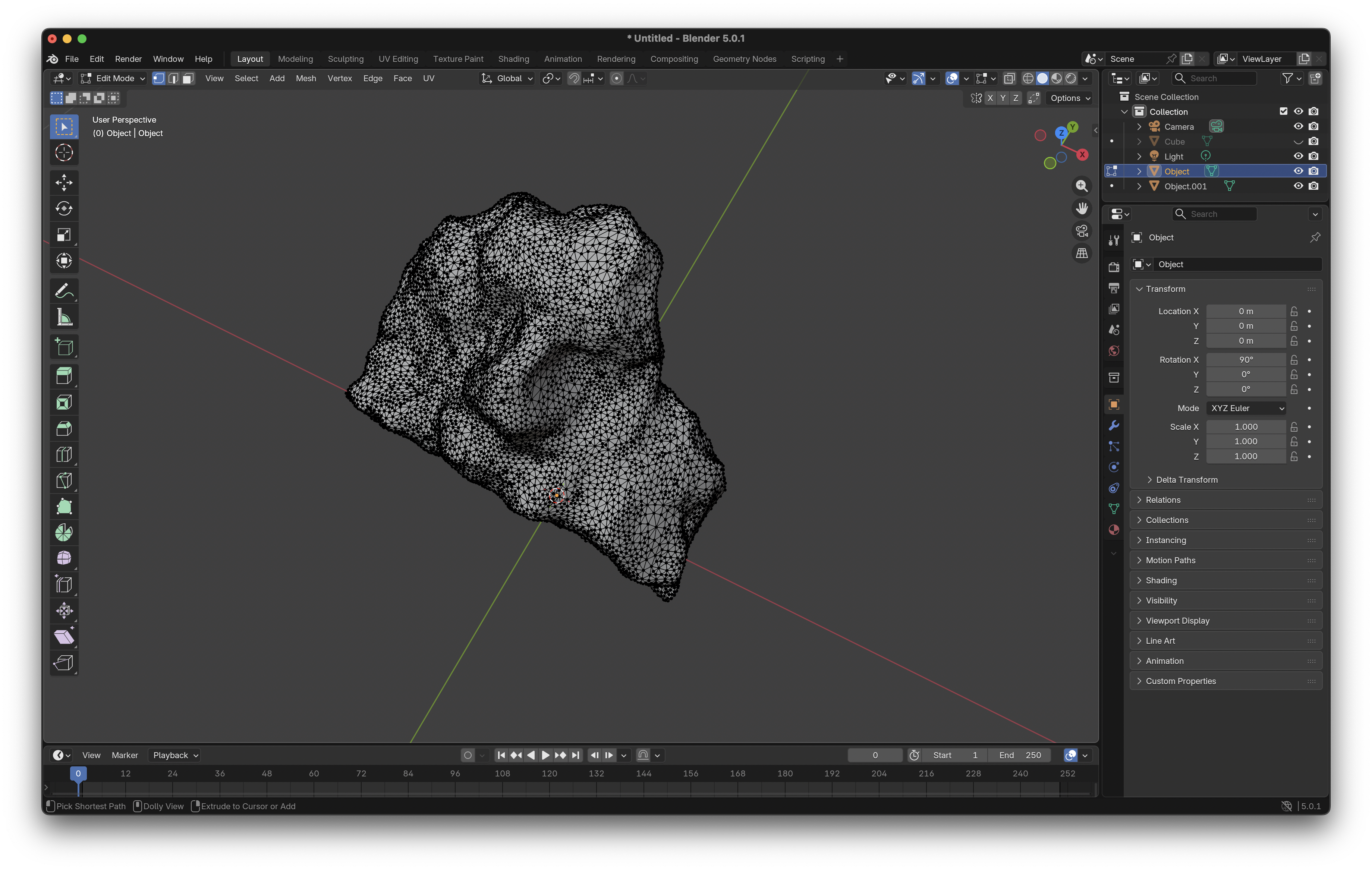
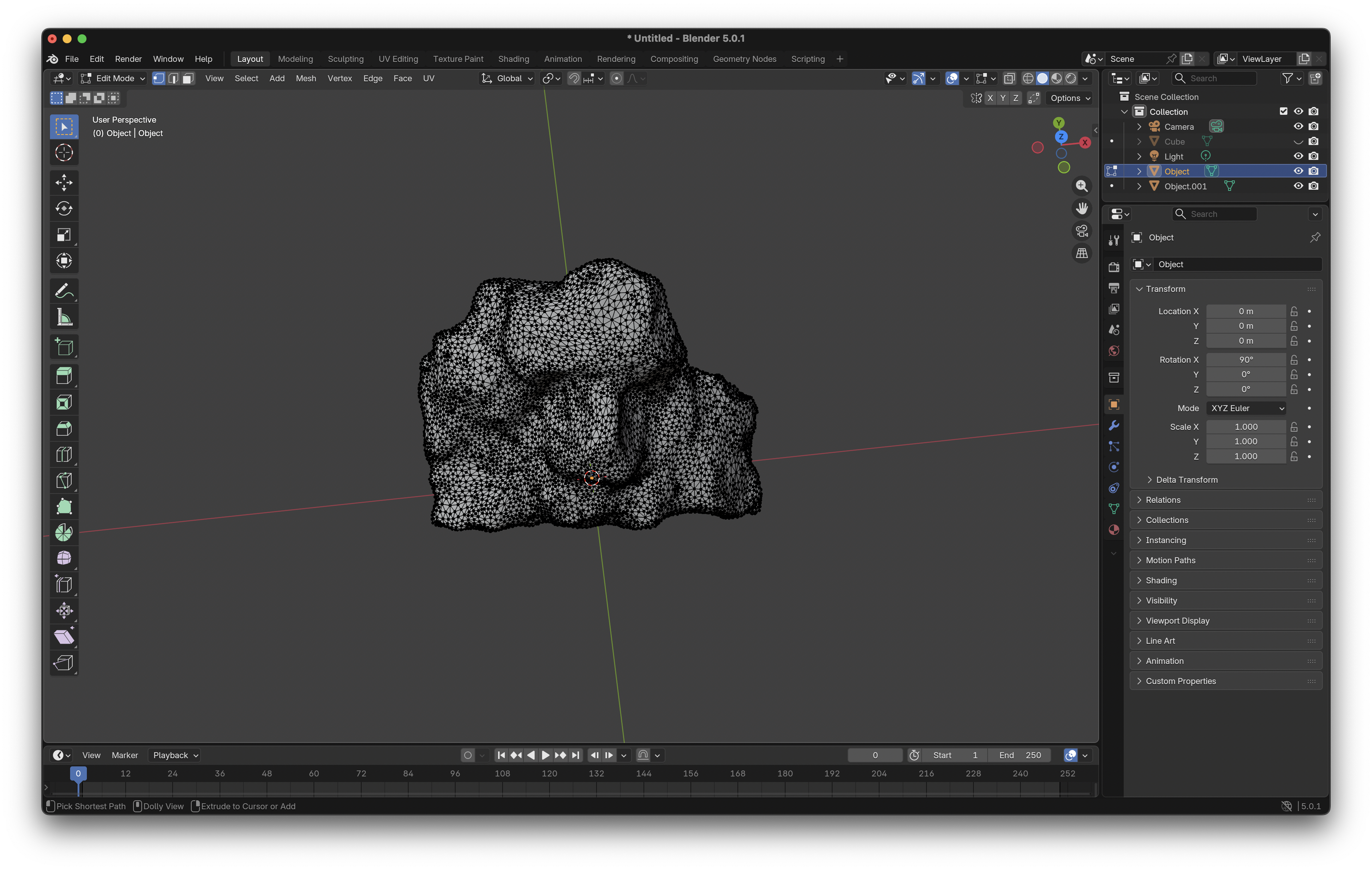
3D scans of the stone sculpture
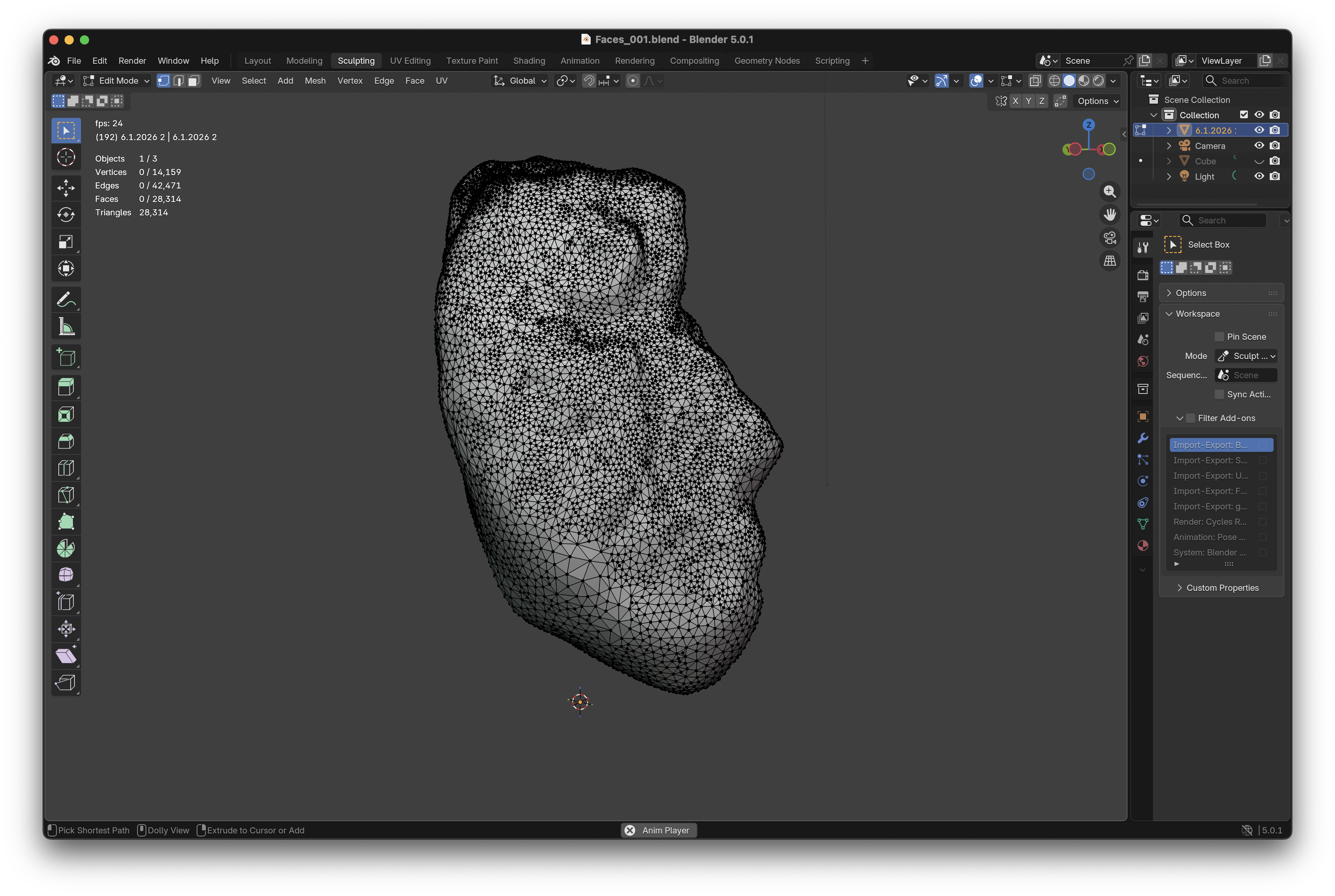
3D scans of the stone sculpture
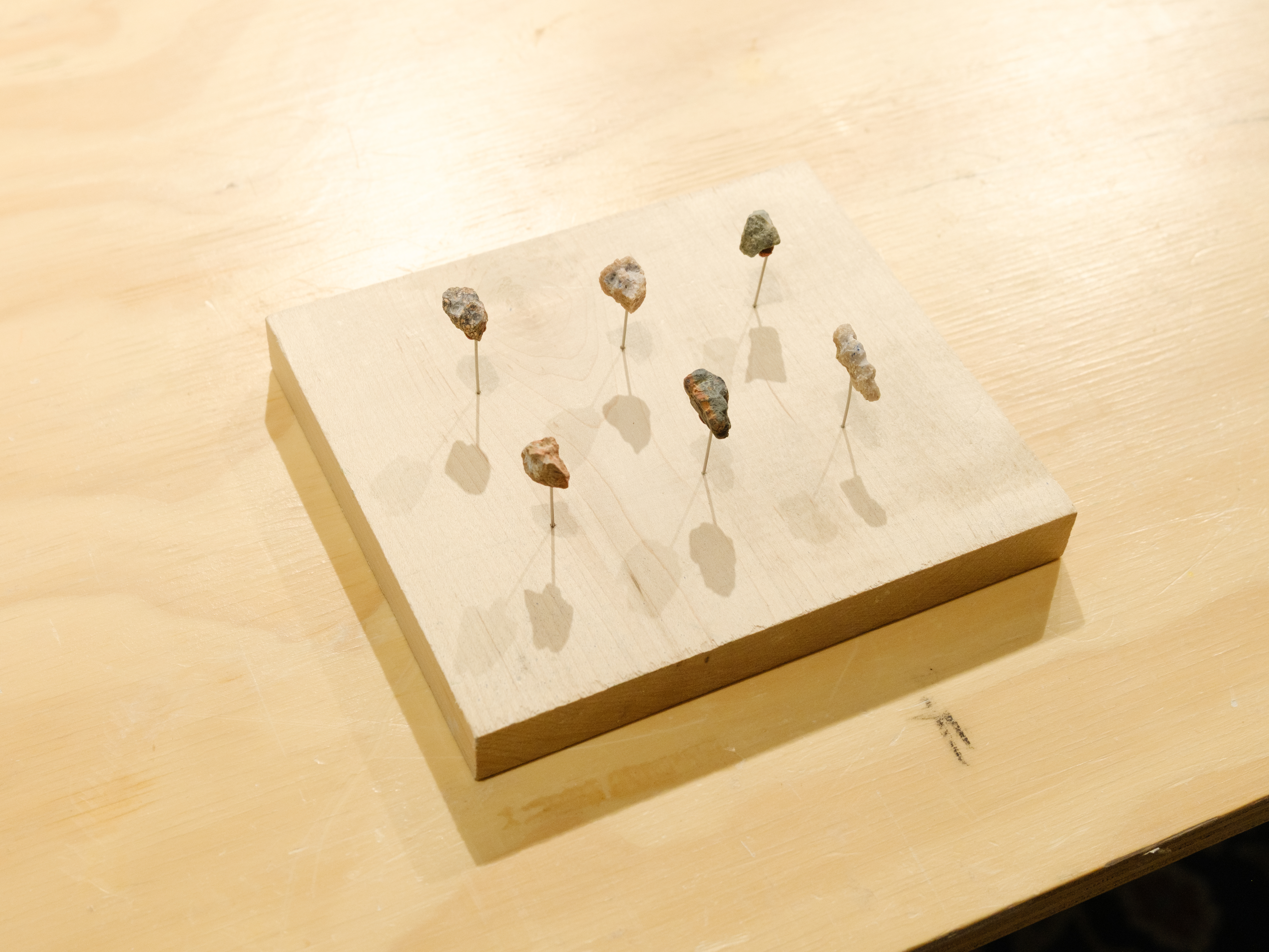
Exhibition views:
Muted Pink Desert
Artist Residency Open Studio
06.12.2025
Arizona, United States
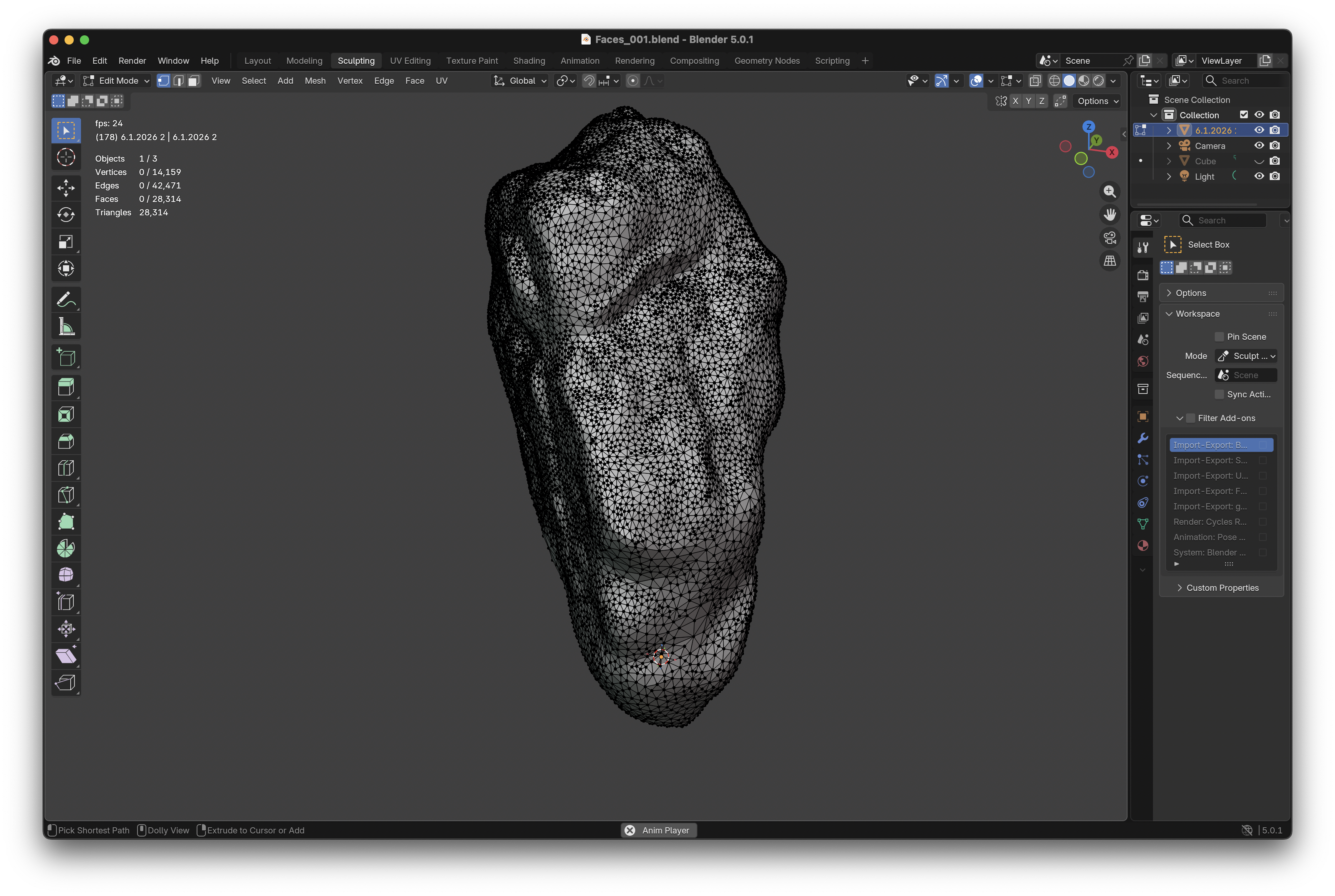
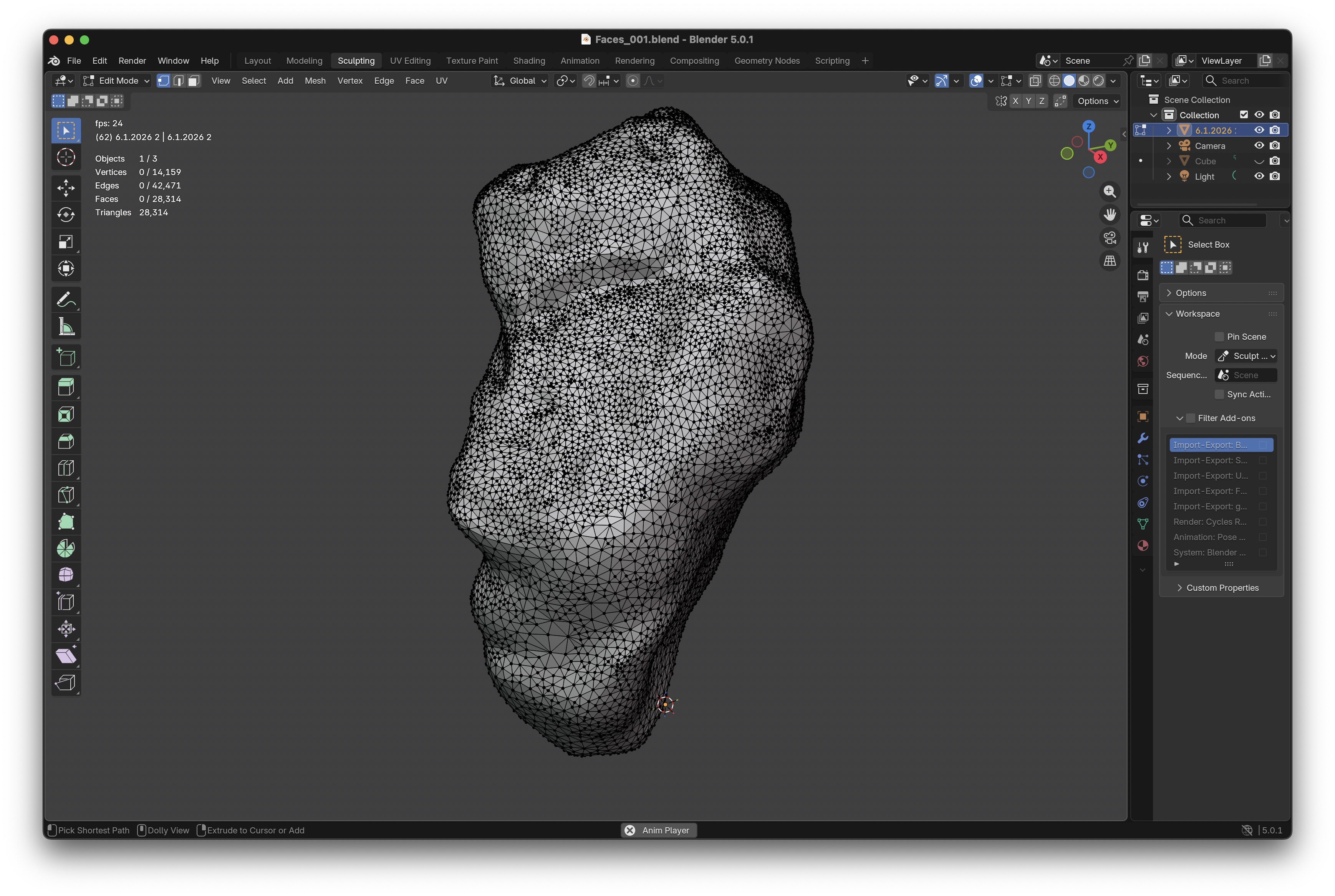
3D scans of the stone sculpture